Mother Goose (Ma Mère l'Oie)
- Composer
- Joseph-Maurice Ravel
- Opus
- Op. 60
- Instruments
- Piano Four-Hands
Free sheet music
 ♪
♪- Solo arrangement
- Piano
- ♪
- Original version
- Piano Four-Hands
- ♪
- Orchestral score
- Orchestra
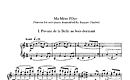

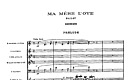
Listen
- 2. Petit Poucet
- Piano
- Felipe Sarro
- From Ravel's "Ma Mère l'Oie". CC-BY-NC-ND-3.0. conquest.imslp.info
- 1. Pavane de la Belle au bois dormant
- Piano
- Felipe Sarro
- From Ravel's "Ma Mère l'Oie". CC-BY-NC-ND-3.0. conquest.imslp.info
- 5. Le jardin féerique
- Piano
- Felipe Sarro
- From Ravel's "Ma Mère l'Oie". CC-BY-NC-ND-3.0. conquest.imslp.info
- 4. Les entretiens de la Belle et de la Bête
- Piano
- Felipe Sarro
- From Ravel's "Ma Mère l'Oie". CC-BY-NC-ND-3.0. conquest.imslp.info
- 3. Laideronnette, Impératrice des pagodes
- Piano
- Felipe Sarro
- From Ravel's "Ma Mère l'Oie". CC-BY-NC-ND-3.0. conquest.imslp.info
- Lang Lang & Martha Argerich - Ravel Mother Goose
- Piano Duet
- Lang Lang & Martha Argerich
- Piano Duet youtube.com
- Ma Mère l'Oie
- By Steve's bedroom band. Creative Commons Attribution 3.0. conquest.imslp.info
About
Ma mère l'Oye is a suite by French composer Maurice Ravel. The piece was originally written as a five-movement piano duet in 1910. In 1911, Ravel orchestrated the work.
The above text from the Wikipedia article "Ma Mère l'Oie" text is available under CC BY-SA 3.0.
The above text from the Wikipedia article "Ma Mère l'Oie" text is available under CC BY-SA 3.0.
Other titles
en:Mother Goose